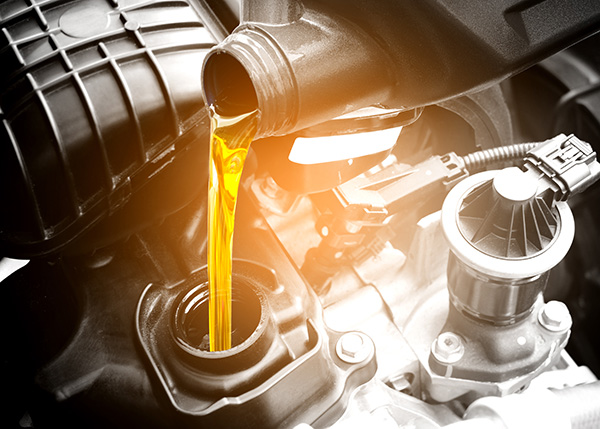
A little extra engine oil sounds like extra protection. Inside the engine, though, the correct level is part of the design. Oil needs space to collect in the pan, circulate through the engine, and drain back down. Filling above the recommended range interferes with that process.
An overfill often starts with a well-intended top-off. You pour in a quart, check again, and find the reading above full. If the level rose without adding anything, a different problem needs checking. Either way, begin with an accurate reading using your vehicle's instructions before adding or removing more oil.
How the Engine Oil Level Affects Lubrication
Oil collects in the pan beneath the engine. A pump draws it through a pickup and sends it toward bearings, camshafts, and other components. After doing its job, it drains back down to repeat the trip.
The recommended fill amount keeps enough oil available without letting too much interfere with rotating parts. On some engines, a high enough level brings the oil into contact with the spinning crankshaft. That contact churns the oil and creates extra resistance as the engine turns.
Stop at the full mark. Adding more for a long trip or an older engine creates a new problem instead of extending the oil's protection. The amount shown on the dipstick varies between engines, so a reading halfway above full needs to be checked against that car's capacity.
Engine Damage From Too Much Oil
If the crankshaft whips air into the oil, bubbles travel with the lubricant. Bearings rely on a steady oil film, and aerated oil makes that protection less reliable under load. The engine can have plenty of oil in the pan while struggling to deliver it properly.
Variable valve timing systems and some timing chain tensioners also rely on controlled oil flow and pressure. Poor delivery interferes with their operation, which helps explain why a substantial overfill affects more than bearings alone.
Think about pouring a drink that has become mostly foam. The container looks full, but the contents behave differently. Engine oil mixed with air has the same basic problem: the quantity looks reassuring, but the lubrication system struggles with the oil's condition.
The crankcase ventilation system routes vapors back toward the engine's intake. Excessive oil in that system creates another route for trouble. Oil carried into the intake burns during combustion, producing smoke and sometimes rough running or fouled spark plugs. Burning oil also sends unwanted material into the exhaust. Over time, that exposure affects components such as oxygen sensors and the catalytic converter. The amount of overfill, engine design, and time spent running all influence what needs checking.
A diesel engine ingesting substantial oil presents a particularly serious risk because it can burn that oil as fuel. Heavy smoke, an engine racing unexpectedly, or an oil pressure warning calls for an immediate safe stop and professional help. Keep yourself away from moving parts and traffic.
How to Check Your Engine Oil Level
An accurate reading starts with level ground and the manufacturer's procedure. Some engines are checked warm after a waiting period; others have different instructions or an electronic oil level display. Follow the process for your engine instead of copying a method from another car.
For a conventional dipstick, the usual process is to remove it, wipe it clean, reinsert it fully, and check again. Oil smeared up one side after removal can make the level difficult to read. A consistent reading on repeated checks is more useful than one hurried glance.
Before adding oil, make sure you know which oil meets the engine's requirements and how much is actually needed. Add small amounts and recheck. Pouring in an entire bottle because the level seems a little low often creates the overfill in the first place.
Why the Engine Oil Level Rises Without a Top-Off
If the level keeps rising without a top-off, the engine may be adding something to its own oil supply. Fuel dilution is one possibility. Repeated short trips, an injection problem, or certain operating conditions can cause fuel to collect in the crankcase instead of burning off during normal warm operation.
Coolant entering the oil is another concern. A rising oil level alongside falling coolant, unusual contamination, or overheating deserves prompt inspection. Simply draining oil back to the full mark leaves the cause unresolved.
Write down when you first noticed the rising level and what your driving has been like. Several days of short errands around Walnut Creek give the technician a useful clue about fuel dilution. Falling coolant or recent overheating points the inspection in another direction. Those details help get the right checks underway sooner.
How an Engine Oil Overfill Is Corrected
Once an overfill is confirmed, remove the excess before further driving. The amount above full and any symptoms determine what else needs checking. After correcting the level, the technician checks for leaks, smoke, and changes in engine operation that developed while the excess oil circulated.
If the reading is clearly far above full, leave the engine off and call for advice about recovery. Running it to “use up” the extra oil exposes the engine to the very problems you're trying to avoid.
It's worth finding out how the overfill happened. An incorrect fill capacity during service needs correcting in the record. A top-off based on a rushed dipstick reading calls for a better checking routine. Keep the quantity added and mileage together so you can see whether the level stays steady afterward.
Engine Oil Service at Roesbery Car Care Walnut Creek
For an oil change or an oil-level concern, contact Roesbery Car Care Walnut Creek in Walnut Creek, CA. We can review the reading, recent service, and any smoke or running changes, then explain what your engine needs before you get back to driving.
Schedule engine oil service with Roesbery Car Care Walnut Creek and mention any confirmed overfill when you call.