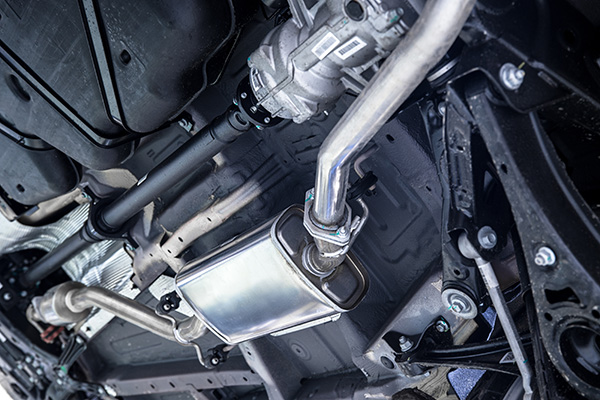
Your exhaust system works every time the engine runs, but most drivers do not think about it until the car becomes louder or a warning light appears. The system carries exhaust gases away from the engine, helps control emissions, reduces noise, and keeps harmful fumes from entering the passenger compartment.
There is no single mileage when every exhaust system needs replacement, but it should be checked periodically, and anytime the vehicle develops new noise, odors, rattles, or visible corrosion. An inspection during routine service can catch a loose heat shield, small leak, or damaged hanger before it turns into a larger repair.
Have the Exhaust Checked When the Car Gets Louder
A sudden change in exhaust volume is one of the clearest signs that something has opened up in the system. A cracked pipe, failed gasket, rusted muffler, damaged flex section, or loose connection can allow exhaust gases to escape before they reach the tailpipe.
The sound may change depending on where the leak is located. A leak near the engine can create a sharp ticking or tapping sound, especially during a cold start. A hole farther back may create a deeper rumble that becomes louder during acceleration. Any noticeable change that was not there before deserves attention.
Do Not Ignore Exhaust Fumes or Unusual Odors
Exhaust gases should leave the vehicle at the rear, not enter the cabin. If you smell exhaust while driving or sitting at a stop, have the vehicle checked promptly. Leaks near the engine compartment, floor, or rear body can allow fumes to reach the interior under certain driving conditions.
Carbon monoxide is especially concerning because it has no color or odor. A driver cannot rely on smell alone to know whether harmful gases are entering the cabin. Headaches, dizziness, or unusual fatigue while driving should never be brushed aside. Move to fresh air and have the vehicle evaluated before continuing normal use.
Rust and Corrosion Can Weaken the System
Exhaust components constantly deal with heat, water, and road contamination. Moisture forms naturally inside the exhaust as combustion gases cool, and short trips may not heat the system long enough to evaporate all of it. Over time, corrosion can develop from the inside as well as the outside.
Road salt and standing water can speed up external rust. Surface discoloration is common and does not always mean a part needs replacement, but deep scaling, holes, thinning metal, or badly corroded seams can weaken pipes and mufflers. Once a weakened section begins leaking, patching may not provide a durable repair.
Rattling Can Mean Something Is Loose
Not every exhaust concern begins with a leak. A metallic rattle under the vehicle may come from a loose heat shield, broken exhaust hanger, damaged bracket, or internal material moving around inside the muffler or catalytic converter.
Common clues include:
- Rattling when the engine first starts
- Noise over bumps or rough pavement
- A metallic vibration at certain engine speeds
- An exhaust pipe hanging lower than normal
- Clunking when accelerating or stopping
Exhaust hangers allow the system to move slightly as the engine shifts and the pipes expand with heat. When a hanger breaks, the added movement can place stress on nearby joints and eventually create a crack.
A Check Engine Light Can Be Related to the Exhaust
A check engine light does not automatically mean the exhaust system has a hole, but several emissions components are connected to it. Oxygen sensors monitor exhaust gases, while the catalytic converter helps reduce harmful emissions before gases leave the tailpipe.
A leak upstream of an oxygen sensor can draw outside air into the exhaust and affect sensor readings. Catalytic converter efficiency faults, damaged sensors, wiring concerns, or engine problems can also turn on the light. Reading the fault code is only the beginning. Diagnostic testing is needed to identify what caused the computer to set it.
After a Pothole or Road Impact Is a Good Time to Look Underneath
Exhaust systems run along the underside of the vehicle, where road debris, potholes, steep driveways, or objects in the road can damage them. A pipe can be dented, a hanger can be pulled loose, or a flange can be shifted without an immediate warning on the dashboard.
If you hear a new scraping sound after an impact or notice a component hanging lower than it did before, do not assume it will stay in place. A loose exhaust can contact the body, suspension, driveshaft, or other nearby parts. It can also separate farther while driving.
How Often Should the Exhaust Be Checked?
For most vehicles, having the exhaust looked over during regular maintenance is a practical approach. Cars driven in areas with wet weather, road salt, frequent short trips, or rough roads may benefit from closer attention because those conditions can accelerate corrosion and physical damage.
There is no benefit to replacing exhaust parts simply because they are old if they remain structurally sound and leak-free. What matters is the current condition. A technician can check joints, flanges, hangers, heat shields, pipes, mufflers, catalytic converters, and visible sensor wiring while the vehicle is safely raised.
Small Problems Are Usually Easier to Handle Early
A loose heat shield may need only a minor repair. A deteriorating hanger can often be replaced before it allows a heavy section of exhaust to move around. Small leaks near a flange or connection may also be easier to address before corrosion spreads into the surrounding pipe.
Waiting until the exhaust becomes extremely loud can limit the available repair options. By then, several connected sections may be heavily corroded or damaged. Paying attention to changes in sound and smell gives you a better chance of repairing only what is actually needed.
Get Exhaust System Inspection in Walnut Creek, CA, With Roesbery Car Care Walnut Creek
Roesbery Car Care Walnut Creek can check your exhaust system for leaks, corrosion, damaged hangers, loose heat shields, and emissions-related concerns.
If your vehicle has become louder, developed a rattle, or you have noticed exhaust odors, contact us to schedule service in Walnut Creek, CA.