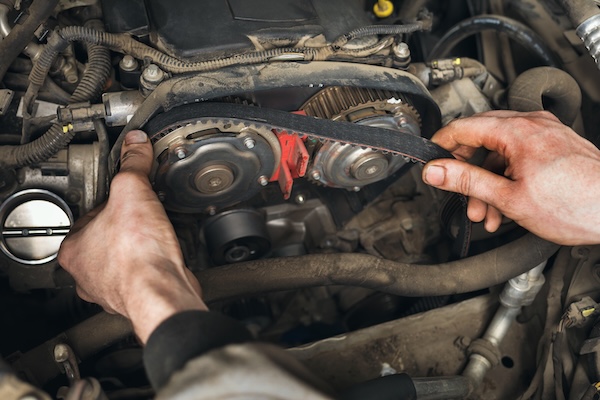
The timing belt is one of the most critical components in your vehicle’s engine, yet it’s often out of sight and out of mind. Unlike oil changes or brake service, timing belt replacement doesn’t come up often—but when it does, it’s extremely important. Replacing the timing belt at the right time can mean the difference between routine maintenance and major engine damage.
Understanding what the timing belt does, when it should be replaced, and the risks of ignoring it can help you protect your vehicle and avoid costly repairs.
What Does the Timing Belt Do?
The timing belt is responsible for synchronizing the rotation of the engine’s crankshaft and camshaft. This precise timing ensures that the engine’s valves open and close at the correct moments during the combustion cycle.
Because the timing belt operates under constant tension and high temperatures, it gradually wears over time. Unlike some engine components, a timing belt typically shows little warning before it fails—making scheduled replacement essential.
When Is Timing Belt Replacement Recommended?
Timing belt replacement intervals vary depending on the vehicle’s make, model, engine type, and driving conditions. Most manufacturers recommend replacing the timing belt somewhere between 60,000 and 100,000 miles. Some vehicles also specify a time-based interval, such as every 5 to 7 years, even if the mileage is low.
The safest way to determine your vehicle’s exact replacement schedule is to consult the owner’s manual or a trusted automotive professional. Following manufacturer guidelines helps ensure the engine continues to operate as designed.
Warning Signs of a Worn Timing Belt
In many cases, a timing belt may not show obvious symptoms before failure. However, some vehicles do exhibit warning signs that should never be ignored.
Potential signs of timing belt wear include:
- Engine misfires or rough running
- Ticking or clicking noises from the engine
- Difficulty starting the vehicle
- Oil leaks near the timing belt cover
If you notice any of these symptoms and your vehicle is approaching the recommended replacement interval, it’s important to schedule an inspection immediately.
What Happens If a Timing Belt Breaks?
A broken timing belt can cause serious engine damage, especially in interference engines. In these engines, the pistons and valves share the same space but move at different times. If the timing belt fails, it can collide, bending valves and damaging internal components.
This type of failure often results in extensive repairs—or even a complete engine replacement. Replacing the timing belt on schedule is far less expensive than repairing engine damage caused by a timing belt failure.
Timing Belt vs. Timing Chain
Some vehicles use a timing chain instead of a timing belt. Timing chains are typically more durable but are not maintenance-free. While chains often last longer, they can still wear or stretch over time and may require replacement.
Knowing which system your vehicle uses helps you plan maintenance more effectively and avoid confusion when scheduling service.
Why Professional Timing Belt Service Matters
Timing belt replacement is a complex job that requires precise alignment and specialized tools. It often involves removing multiple engine components and, in many cases, replacing related parts such as tensioners, pulleys, or the water pump simultaneously.
Professional service ensures the job is done correctly, reducing the risk of premature failure and protecting engine performance.
Schedule Timing Belt Service Before It’s Too Late
The timing belt is not a component you want to push past its recommended lifespan. Proactive replacement helps prevent unexpected breakdowns and costly engine damage. If your vehicle is approaching the recommended mileage or age for timing belt replacement near Walnut Creek, CA, contact Roesbery Car Care Walnut Creek today to schedule an inspection or timing belt service. Timely maintenance provides peace of mind and keeps your engine running smoothly for years to come.