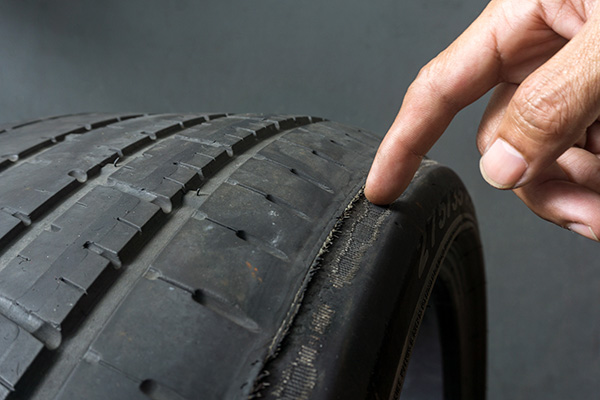
Wheel alignment quietly affects almost everything about how your car feels on the road. When the angles are correct, the steering feels steady, the tires wear evenly, and the car tracks straight without effort. As the angles drift out over time, the changes can be slow, which makes it tempting to delay an alignment until something feels really wrong. By that point, you may already be paying for extra tire wear along with the alignment.
Why Wheel Alignment Timing Really Matters
Alignment does more than keep the steering wheel straight. Proper angles help each tire share the load, which improves stability in hard braking and quick lane changes, especially on uneven pavement. When the wheels are out of spec, one or two tires can start to scrub across the road surface instead of rolling cleanly, which builds heat and chews up tread. From the service side, we regularly see tires that have lost thousands of miles of life simply because the alignment was overdue.
What Alignment Actually Adjusts On Your Car
Most modern cars rely on three basic angles: camber, caster, and toe. Camber is how much the tire leans in or out at the top, caster affects steering stability and how the wheel returns to center, and toe is how much the tires point slightly toward or away from each other. The factory specs are chosen so the tread stays flat on the pavement at speed, not just when the car is sitting still. When those settings drift, even a little, the car can start to pull, wander, or feel nervous over bumps and grooved roads.
Test-Drive Cues That Suggest You Are Due
Drivers often schedule alignment once the car develops a few annoying habits. The steering wheel may sit off-center when you are going straight, or the vehicle may drift to one side on a level road, even with good tires. You might feel a light shake at certain speeds that balancing does not completely cure, or see feathered or sawtooth edges when you rub your hand across the tread. If you notice yourself constantly correcting the wheel to stay in your lane, that is a strong clue that the angles should be checked.
How Often To Schedule An Alignment In Real Life
On paper, many manufacturers suggest checking alignment every one to two years or around every 15,000 to 30,000 miles. In real life, the right timing depends on how rough your roads are and how carefully you avoid curbs, potholes, and deep ruts. Highway commuters on smooth routes can sometimes go longer between alignments, while drivers who see a lot of city streets, construction zones, or gravel usually benefit from yearly checks. Any time you install new tires, repair suspension parts, or notice uneven wear, it makes sense to check alignment so fresh components are not fighting old angles.
Habits And Road Conditions That Shorten Alignment Life
Certain habits can knock alignment out of spec much faster than most people expect. Rolling over speed bumps faster than you should, cutting tight corners and clipping curbs, or dropping into deep potholes can all bend or shift suspension pieces just enough to move the angles. Areas with heavy freeze and thaw cycles tend to have broken pavement and patched sections that are especially hard on steering and suspension. Being a little more deliberate with speed and steering in those rough spots can stretch the time between alignments and keep the car feeling tighter.
A Cost-Smart Plan For Alignments And Tire Wear
From a budget point of view, alignment is a relatively small service that protects a much more expensive part of the car, the tires. Once the tread has worn unevenly, no rotation pattern can put rubber back where it belongs, and tires often get louder as they age in that condition. Paying for periodic alignments usually costs less over the life of the vehicle than replacing tires early because the inner or outer edges wear down first. It often works well to tie alignment checks to other milestones, such as new tires or suspension repairs, so they are easier to remember and build into your maintenance plan.
Get Wheel Alignment in Walnut Creek, CA with Roesbery Car Care
If your car is pulling, the steering wheel sits crooked, or your tires are wearing in strange patterns, this is a good time to have the alignment checked. We can measure the current angles, inspect steering and suspension parts, and bring the settings back to factory spec so the car tracks straight again.
Schedule wheel alignment service with Roesbery Car Care in Walnut Creek, CA, and enjoy a smoother, more stable drive.